How Distributors Run Electric Wheelchair Demo Days
November 20, 2026
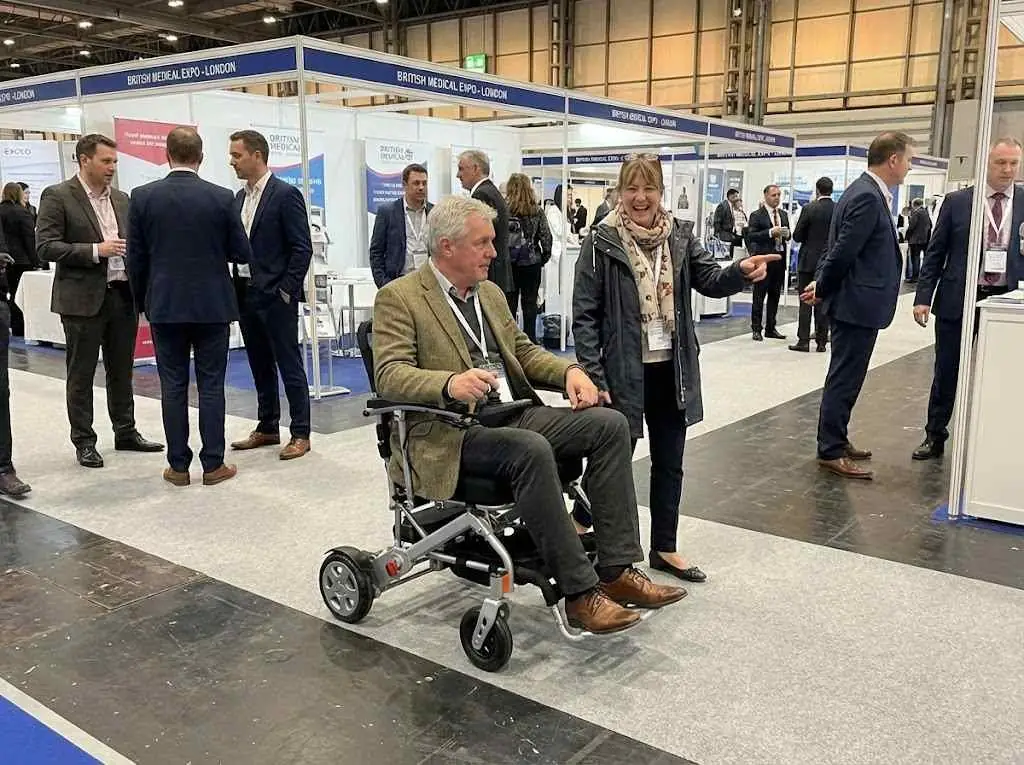
A demo day is a one-day event where a distributor opens the doors and lets customers try electric wheelchairs in person. How Distributors Run Electric Wheelchair Demo Days is a question of planning, not luck, and this guide walks through the whole day from the first invitation to the last follow-up call.
How staff run the demo itself is covered in Distributor Staff Training for Electric Wheelchair Demos. This guide is the event around it.
What Is a Demo Day, and How Is It Different From a Trial Fleet?
A demo day brings many people to one place on one day to see and try your chairs. A trial fleet works the other way round. One chair goes out to one customer for days or weeks, and the customer tries it at home or at work. Both help people decide, but they solve different problems. A distributor who mixes them up will plan the wrong day.
A demo day suits a distributor who wants to meet many buyers at once and start many conversations in a single day. A trial fleet suits a single buyer who needs time to decide. A care home, for example, may want to test a chair on its own floors before it orders. If you need depth with one buyer, lend a chair. If you need breadth with many buyers, run a demo day. The two tools sit side by side, and the fleet guide explains how distributors run an electric wheelchair trial fleet for long-term borrowing.
Key Takeaway: A demo day is a one-day event for many visitors, while a trial fleet is a long loan for one buyer. Pick the tool that fits the goal.
Who Should You Invite to a Demo Day?
Start with people you already know. Existing customers are the easiest guests. They trust you, and they can tell new visitors what the chairs are like in daily use. Dealers and sub-dealers come next. A demo day lets them see the range in one visit instead of reading a price list. Rehab centers, care homes, and hospitals are worth inviting too. Their staff decide which chairs their residents use, and a hands-on day answers their questions faster than a brochure.
Invite end users as well, not only trade buyers. An end user who tries a chair and likes it will often ask a dealer to order it. That request is worth more than any sales pitch. Keep the list focused, though. A smaller room full of real buyers fills your order book. Send a simple invitation with the date, the address, and the chairs on show. Ask each guest to confirm, so you know how many chairs, name badges, and cups of tea to prepare.
Key Takeaway: Invite a mix of existing customers, dealers, rehab centers, and end users. Ask each one to confirm so you can plan the room.
How Distributors Run Electric Wheelchair Demo Days — From Doors Open to Doors Close?
The day works best when it has a clear shape that every visitor can follow without being told. Doors open, visitors check in at the front table, and a member of your team notes what each visitor needs. Then visitors move to the test-drive route and try the chairs. They can stop at the folding table if they want to see a chair fold. After that they reach the quote desk, where your team writes a price for the chair they liked and notes what happens next.
Part of the day
What happens
Who runs it
Doors open
Visitors arrive and check in at the front table
Front desk team
Mid-morning
Visitors try chairs on the test-drive route
Floor team
Midday
Folding table and quiet talks with dealers
Floor team and sales team
Afternoon
Quotes at the desk and final test drives
Sales team
Doors close
Team counts leads and packs the chairs away
Whole team
A simple timetable keeps the day calm even when the room is busy. Visitors never wonder where to go next, and your team never has to improvise the order of events. Print the timetable on one sheet and pin it at the door. Visitors can see it the moment they walk in.
Key Takeaway: Give the day a fixed shape, from check-in to quotes to close. Print it at the door so visitors can follow it on their own.
Which Chairs Should You Bring, and Which Should Stay Behind?
Three chairs are enough for a demo day. Bring one lightweight chair, one heavy-duty chair, and one folding chair. Let visitors compare them side by side. A whole range on the floor confuses visitors. It takes up space you need for the test-drive route, and it leaves your team spread thin across too many models.
Chair
Weight
Folded size
Range
EW1000 lightweight
15 kg incl. battery
73×39×71 cm
15±3 km
EW100 folding
23 kg
73×55.5×31 cm
12±5 km
EW8722 small-wheel
45 kg
80×39×74 cm
18–22 km
Pick the three chairs that match the guests you invited. If most guests run care homes, the heavy-duty chair matters most. If most guests are dealers who sell to travelers, the lightweight folding chairs matter most. Keep the chairs you do not bring in the back room. Bring one out only if a visitor asks for it by name. After the day, the chairs go back into your demo stock. The guide to how distributors manage electric wheelchair demo stock explains how to keep that stock in order between events.
Key Takeaway: Three chairs are enough: one lightweight, one heavy-duty, and one folding. Visitors can compare without feeling lost.
What if a visitor asks for a chair you did not bring?
Do not promise it on the spot. Note the model name on the visitor card, and offer a trial fleet loan or a showroom visit later. A clear next step keeps the visitor warm without breaking the plan for the day.
How Do You Lay Out the Venue So Visitors Can Move?
A demo day needs space to move. The layout decides whether visitors relax or crowd together at the door. Put the check-in table near the entrance, so visitors are greeted at once and the rest of the room stays clear. Put the test-drive route in the largest open space, with a clear start and a clear finish. Mark it with cones or tape so visitors can see where to drive. Put the folding table off to one side, where a small group can gather without blocking the route.
Place a charging point against a wall, away from the walking path, with the charger and a spare battery in plain sight. Visitors will ask where the chairs charge, and a tidy charging point answers that question without a word. Keep a rest area with chairs and water near the back of the room. Visitors who have traveled far need a place to sit and talk. Leave the middle of the room open at all times, even when it feels empty. A crowded floor stops people from trying the chairs.
The room itself matters as much as the plan for the day. A showroom that works every day makes a better demo day. The guide to how to set up an electric wheelchair showroom covers the room in full, while this guide covers the event inside it.
Key Takeaway: Put check-in at the door, the test-drive route in the open space, and the charging point against a wall. Keep the middle of the room clear.
Where do spare parts and tools go?
Keep spare parts and tools in the back room, not on the display tables. A demo day is for visitors, not for repairs. A table full of tools sends the wrong message. Bring out a spare battery only when a chair needs one, and keep the rest out of sight.
What Happens at Check-In?
Check-in is the first moment of the day, and it sets the tone for everything after it. Greet each visitor by name and hand over a name badge. Write down who they are and why they came. A short note at check-in saves your team from asking the same questions twice. It also makes the follow-up call after the day much easier.
Ask each visitor which chairs they want to try, and point them to the test-drive route. If a dealer came to see one model, send them straight to that chair. Do not make them wait through a general tour. If a family came with an end user, give them time and space. Let them watch other visitors on the route first. Keep the check-in desk staffed all day. Late visitors need the same welcome as the first ones, and a desk with no one behind it looks like a closed event.
Key Takeaway: Check-in is a warm welcome plus a short note on who each visitor is and what they came to see. It keeps the rest of the day running smoothly.
How Do You Turn a Test Drive Into a Quote on the Same Day?
A test drive ends at the quote desk, and the quote desk is where a good day turns into business. Keep the desk near the end of the test-drive route. A visitor who liked a chair can then walk straight to it. Have a printed price list for the three chairs on show. Put the warranty terms beside each price: frame 36 months, motor and controller 12 months each, and battery lead-acid 6 months or lithium 12 months.
Write the quote on paper and hand it to the visitor before they leave. A written quote names the model, the price, and the lead time of 7 days after payment. It is something a visitor can take home and show a partner or a manager. Note on your own copy what the visitor asked for, such as a spare battery or a different seat. The follow-up call can then pick up where the day left off. Do not press a visitor who is not ready to order. A demo day earns trust by giving people room to decide. A polite follow-up the next day works better than pressure on the day.
Key Takeaway: Put the quote desk at the end of the route. Hand over a written quote with model, price, and lead time, and let visitors decide in their own time.
What should the quote include?
A good quote names the model, the price, the warranty, and the lead time. It also names the person the visitor should call next. The follow-up can then match what the visitor took home.
What Should You Do After the Last Visitor Leaves?
The day is not over when the last visitor leaves. The follow-up is where the value of the day is won or lost. Start the same evening, while the day is still fresh. Sort the check-in notes into three piles: visitors who asked for a quote, visitors who want more time, and dealers who want a trade price. Call the quote pile first, the next working day, while they still remember the chair they tried.
Send each visitor a short message that names the chair they tried and the quote they took home. A trade show follows a different rhythm, with many contacts and a longer wait. The guide to electric wheelchair trade show follow-up for distributors covers that case. A demo day follow-up is faster and more personal, because you met each visitor face to face. Keep a simple list of who you called, when you called, and what they said. No visitor should fall through the cracks.
Key Takeaway: Sort the check-in notes the same evening. Call the quote pile first the next working day, and keep a list so no visitor is forgotten.
How Do You Judge Whether the Day Worked?
Count what happened, and count it on paper. Write down how many people came, how many test drives took place, how many leads you took, and how many orders were placed. These four counts tell you whether the day worked. They also let you compare one demo day with the next.
What to count
How to count it
What it tells you
Attendance
Names on the check-in list
Whether the invitations reached the right people
Test drives
Tally marks at the route entrance
Whether visitors tried the chairs or only looked
Leads taken
Quote copies and note cards kept
How many real conversations the day started
Orders placed
Orders written on the day and after follow-up
Whether the day turned into business
Do not judge the day by how busy the room looked. A crowded room can still produce few leads. Do not invent a rate or a share to make the day look better than it was. The raw counts are honest, and they are enough. If attendance was strong but orders were few, the chairs may not have matched the guests. The next day then needs a different mix. If test drives were few, the route may have been too crowded or too hard to find. The next day then needs a better layout. Each demo day teaches a lesson, and the counts are what make the lesson stick.
Key Takeaway: Count attendance, test drives, leads, and orders on paper. Use the raw counts to plan a better next day, without inventing any rates.
Conclusion
How Distributors Run Electric Wheelchair Demo Days comes down to a simple idea: plan the event, not the chairs alone. Invite the right mix of guests and bring three chairs. Lay out a clear route, welcome visitors at the door, and hand over a written quote. Follow up fast, and count what happened. A distributor who runs the day this way gives every visitor a fair chance to try, compare, and decide. It also gives the sales team a clean list of leads to work through.
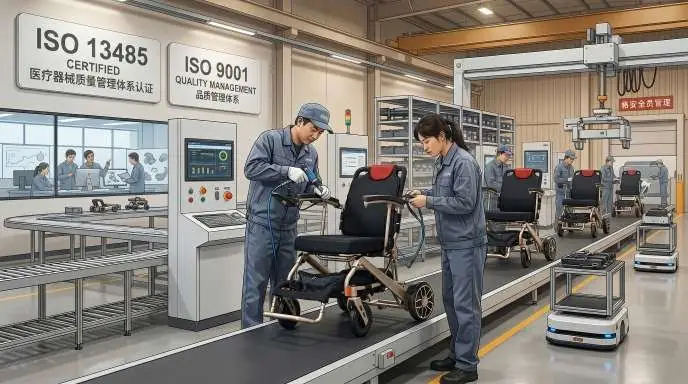
ZVCARE, from Shenzhen Zhiwei Health Technology Co., Ltd., founded in 2015, supports distributors who run demo days with a full range of electric wheelchairs and spare parts support. The minimum order is 1 unit, with a 7-day lead time after payment. The factory holds ISO 13485:2016 certification, and the standard is published by the International Organization for Standardization. Every chair passes 100% visual inspection before shipment, and the team serves 50+ global partners. Contact ZVCARE to plan the chairs for your next demo day.
FAQ
How many chairs should a distributor bring to a demo day?
Three chairs are enough for most demo days: one lightweight, one heavy-duty, and one folding. A small set lets visitors compare the chairs side by side without feeling lost. It also leaves room for the test-drive route. Keep the rest of the range in the back room. Bring one out only if a visitor asks for it by name.
Can a demo day work in a small showroom?
Yes, if the layout is planned with care and the guest list is kept small. Put the test-drive route in the largest open space. Move the folding table to one side, and keep the middle of the room clear. A small room with a clear route works better than a large room where visitors crowd at the door.
Should a distributor invite end users or only dealers?
Invite both, because they play different roles on the day. Dealers order in volume and need trade prices. End users try the chairs and ask the dealers to order them. A room with both groups gives dealers a live audience. It also gives end users a dealer to buy from.
What should a distributor do with visitors who do not buy on the day?
Follow up with them the next working day, while they still remember the chair they tried. Send a short message that names the chair and the quote they took home. Ask what else they need to decide. Many orders come after the day, not on it. A polite follow-up matters as much as the event itself.
How soon after a demo day should a distributor follow up?
Sort the check-in notes the same evening. Call the visitors who asked for a quote first the next working day. Visitors who want more time can wait a little longer. No visitor should wait more than a few days for a first call. Keep a list of every call so no one is missed.
Founded in 2015, ZVCARE is an ISO 13485:2016 certified electric wheelchair manufacturer in China, providing OEM & ODM solutions for global distributors and medical stores.