Exclusive vs Non-Exclusive Wheelchair Distributorship
November 25, 2026
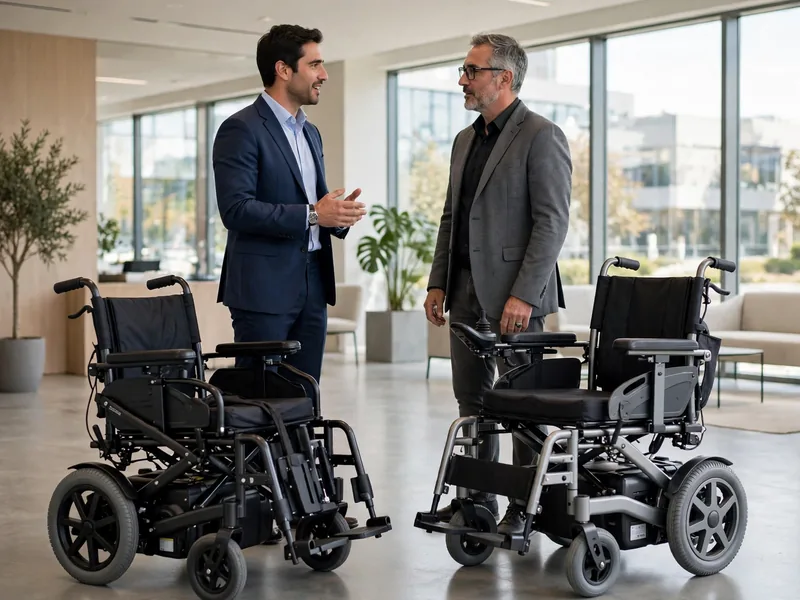
A factory offers a distributor the sole rights to sell its wheelchairs across the whole region. No other seller. No rival undercutting them on the same brand. It sounds like a prize. It can also be a trap that ties up cash, floor space, and a name for years.
Exclusive vs Non-Exclusive Wheelchair Distributorship: this guide helps a distributor weigh that choice in plain terms. It covers what exclusivity gives you, what it costs in targets and service work, how the two models compare, and how to protect your prices when you share a region with other sellers.
What does exclusivity actually give you — and what does it take away?
Exclusivity gives you one clear thing: you are the only seller of that brand in your area. No rival down the road sells the same chair for less. You set the local price and own the brand story in your region. Every advert, every demo, and every happy customer builds your name, not a rival’s.
A customer who tries a chair at your shop cannot buy it cheaper next door, and buyers come back to you for spares and repairs.
But exclusivity takes something away as well. You carry the brand alone. If demand dips, the factory still looks to you. If a model sells slowly, the stock sits on your floor. If the factory stumbles on quality or delivery, your customers blame you.
A non-exclusive deal flips the balance. You share the region and can drop a slow line without a fight. But you lose the shield: a rival can sell the same chair for less, and your demo work can end in a sale at another shop.
So the choice is a trade. Exclusivity trades freedom for shelter, and a shared region trades shelter for freedom. The right pick depends on your cash, your service team, and how much you trust the factory.
Key Takeaway: Exclusivity gives you sole rights and price shelter, but you carry the brand alone. A shared region gives you freedom, but rivals can sell the same chair for less.
Exclusive vs Non-Exclusive Wheelchair Distributorship: which model fits your business?
Start with an honest look at your own business. A big distributor with a service team, a warehouse, and steady footfall can make exclusivity pay. A small shop with one technician and tight cash may find it a burden. The model must fit the business you run today, not the one you hope to run next year.
Ask three plain questions. Can you sell enough chairs to keep the brand alive in your region on your own? Can you fix what you sell, or at least get spares fast? Can you hold stock through a slow season without panic? Three yeses mean exclusivity is worth a serious look. Any no means a shared region is the safer start.
The table below sets the two models side by side. No single row should settle the choice. The pattern across the rows is what matters.
Exclusive
Non-exclusive
Who else sells the brand in your area
Only you
Other sellers too
Price pressure
Lower, you set the price
Higher, rivals undercut you
Sales commitment
A target you must meet
Lighter, often none
Stock you hold
More, you carry the range
Less, you pick the models that sell
Service you must provide
Full cover, your name on it
Shared with factory and others
Freedom to change course
Low, tied to one brand
High, add or drop lines
Risk if demand falls
Yours alone
Spread across your brands
Many distributors start shared and move to sole rights once a brand proves itself.
Key Takeaway: Match the model to the business you run today. If you can sell, service, and stock a brand alone, exclusivity is worth a look. If not, start shared and earn sole rights later.
What does an exclusive deal cost you in sales commitments?
The first cost is a sales target. An exclusive deal almost always comes with one: sole rights in return for a set level of sales. Ask how the target is set and what happens if you miss it once. A fair target bends with the season.
Test the target against your own numbers before you agree to anything. Look at your past sales, not your hopes. Can you still meet it in your slowest quarter? If not, say so early. A factory that listens now will listen later.
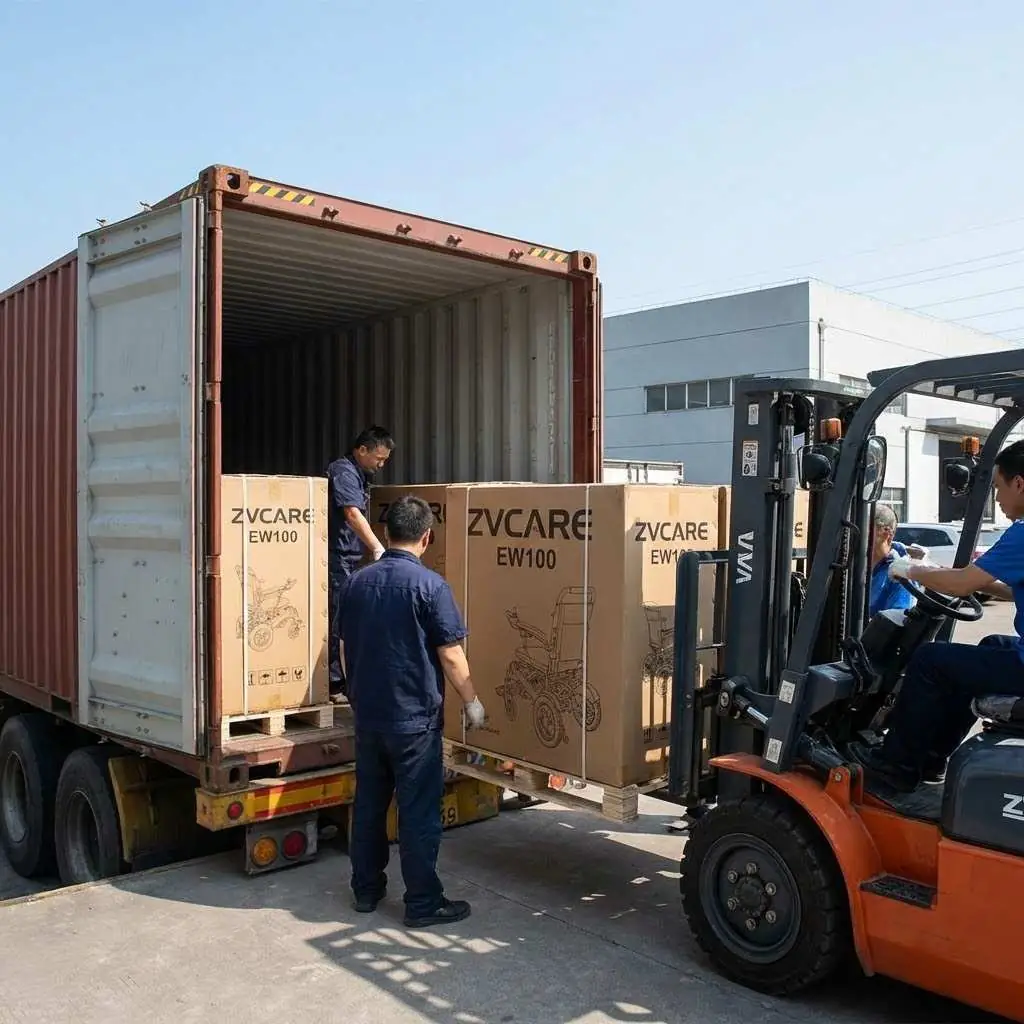
The second cost is stock. Sole rights mean you carry the range, not just the best seller. Customers expect to see the full line and take a chair home the same week. That means floor space, warehouse space, and cash tied up in boxes. An EW100 carton measures 62×35×78 cm and weighs 26 kg, while an EW1000 carton measures 80×41×76 cm and weighs 21 kg. Count the cartons, not just the chairs.
Do not fear a target you can meet: it is a spur, not a chain. The danger is a target set on hope rather than on your real sales. Our guide to what the MOQ for custom electric wheelchairs looks like shows how small orders can start: the MOQ is 1 unit, with a 7-day lead time after payment. Build up to a target step by step.
Key Takeaway: An exclusive deal costs you a sales target, stock space, and single-brand focus. Test the target against your slowest quarter and count the cartons before you sign.
What service investment does exclusivity expect from you?
Exclusivity makes you the brand in your region. That means service, not just sales. When a chair fails, the customer calls you. When a joystick breaks, you fix it or find the spare. A distributor who cannot service what they sell loses the sole rights and their name in one move.
Start with spares. Hold the parts that fail most: joysticks, chargers, tires, and batteries. A chair that waits a month for a spare is a customer lost for good. A chair fixed in a day is a customer who tells friends.
Then look at skills. One trained technician can carry a small range. A full range needs more hands, or a clear line to the factory when a fault beats your team.
Warranty shapes the whole job. Know the cover by heart before you sell a single chair: 36 months on the frame, 12 months each on the motor and controller, and 6 months on a lead-acid battery or 12 months on lithium. A fault in normal use is a claim. Damage a customer causes is not. Staff must know the line, and buyers must hear it at the point of sale. Our guide to electric wheelchair warranty questions to ask your supplier lists what to pin down before you order.
A shared deal is lighter on service too. The factory and other sellers share the load, and customers have more than one door to knock on. That eases the pressure on your team, but your service work then builds the brand for everyone.
Key Takeaway: Exclusivity makes you the brand’s service desk in your region. Hold common spares, train your technician, and learn the warranty by heart.
How do you protect your prices without exclusivity?
Sharing a region does not mean racing to the bottom. The sellers who hold their prices sell something a rival cannot copy with a discount: service, trust, and a better buying experience.
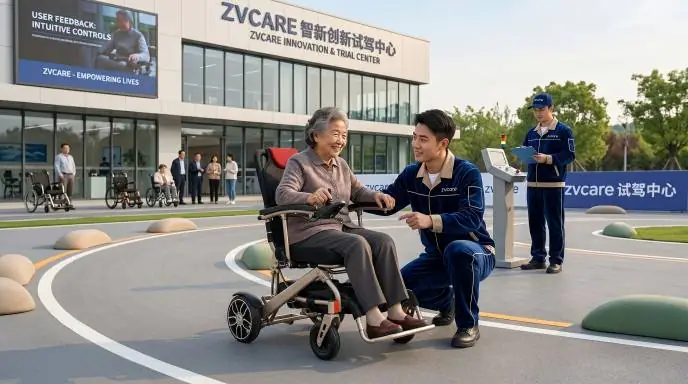
Start with the demo. A customer who has tried a chair in your shop, with your staff showing the controls, will pay a fair price to buy from you. A customer who only saw a price online will not. Keep demo chairs charged and ready.
Then sell the aftercare, not just the chair. Tell the buyer who fixes the chair, how fast spares arrive, and what the warranty covers. A buyer who trusts your aftercare will not chase a small saving from a seller with no workshop.
Range helps too. A shop with folding chairs for travel and bigger models for daily use gives buyers a reason to stay. The EW1000 folds to 73×39×71 cm at 15 kg with its battery, and the EW100 folds to 73×55.5×31 cm at 23 kg. Both are designed for air travel (airline approval required). The bigger models, the EW8722 at 45 kg, the EW8703G at 46 kg, and the EW8720 at 45 kg, suit buyers who want a steadier ride. A rival with one model cannot match that choice.
Finally, watch your costs, not your rival’s prices. Know what each chair costs you landed, what your service time costs, and what margin keeps your shop open.
Key Takeaway: Without exclusivity, protect your prices with demos, honest aftercare, and a range rivals cannot match. Price from your own costs, not from fear.
What should the review and exit terms look like before you sign?
Every deal should be reviewed on a rhythm, not left to drift. Before you sign, agree how often you and the factory sit down and look at sales, service, and stock.
Know what happens if the target is missed. One slow quarter should lead to a talk, not a threat. Ask what the factory does first: help with stock, training, or a local push?
Know how you can leave, too. A fair deal has a clear way out for both sides. Ask what happens to your stock and your customers if the deal ends, whether you can still service the chairs you sold, and whether you can sell through the stock you hold.
This post is about the choice, not the paperwork. The agreement itself deserves its own careful read. Our guide to how to read an electric wheelchair distributor agreement walks through the terms line by line. Read it before you sign, and keep it beside you at every review.
Key Takeaway: Agree a review rhythm, know what a missed target leads to, and know how you can leave. Read the agreement guides before you sign.
When the deal comes up for renewal, our guide to how distributors renew electric wheelchair agreements shows how to judge the next term on its own merits.
Which models should you carry under each deal?
The range you carry should follow the deal you hold. Under an exclusive deal, you carry the full line: customers can only buy the brand from you, so they expect the whole range on your floor.
Under a shared deal, you can pick the models. Carry the ones that move in your region and leave the slow ones to others. Your sales sheet tells you which is which. Let it decide.
Know the chairs by their real numbers. The EW1000 weighs 15 kg with its battery, folds to 73×39×71 cm, and runs 15±3 km per charge on its 24V 10Ah lithium battery. The EW100 weighs 23 kg, folds to 73×55.5×31 cm, and runs 12±5 km. The bigger models run 18–22 km per charge: the EW8722 at 45 kg and 80×39×74 cm, the EW8703G at 46 kg and 89×43×76 cm, and the EW8720 at 45 kg and 80×34×74 cm. All systems run on 24V.
Match the model to the buyer in front of you. A traveler who lifts a chair into a car trunk wants the lightest fold. A buyer who drives all day wants range and a steadier ride. A distributor who knows which chair fits which buyer sells more and takes fewer returns.
Key Takeaway: Under exclusivity, carry the full range. Under a shared deal, carry the models your region actually buys. Match the chair to the buyer.
What should you ask the factory before you choose a model?
Ask about the factory itself before you ask about the deal. How long has it made wheelchairs? How many partners does it serve? A factory with two facilities and 50+ global partners has seen most problems before. Ask how every chair is checked before it ships: each one should pass a full visual inspection.
Ask about custom work, too. Your region may want its own colors, logo, or packing. Our guide to OEM vs ODM electric wheelchairs explains the difference between a chair built to your spec and one picked from a catalog. Know which one you are buying before you talk about sole rights to it.
Ask for a demo chair and a trial period. A week with a real chair in your own shop tells you more than any brochure. Let your staff fold it, charge it, and drive it.
Ask how the factory backs you when things go wrong. What happens if a shipment arrives with a fault? Who pays the freight on a return? How fast do spares ship?
Key Takeaway: Ask about the factory, the checks, the custom work, and the backup when things go wrong. Take a demo chair for a week and let your own shop settle the choice.
Exclusive vs Non-Exclusive Wheelchair Distributorship — The Short Answer
Neither model wins on its own. Exclusivity wins when you can sell, service, and stock a brand alone, and when the target fits your real sales. A shared region wins when you need freedom, cash is tight, or you are still learning what your region buys.
Exclusive vs Non-Exclusive Wheelchair Distributorship boils down to one question: which trade can your business afford? Sole rights buy you price shelter and a brand of your own, at the cost of targets, stock, and service work. A shared region buys you freedom and lower risk, at the cost of price pressure from rivals.
ZVCARE — Shenzhen Zhiwei Health Technology Co., Ltd., founded in 2015 and ISO 13485:2016 certified — works with distributors under both models, with spare parts support. You can order from 1 unit, with a 7-day lead time after payment. The warranty runs 36 months on the frame, 12 months each on the motor and controller, and 6 months for lead-acid and 12 months for lithium batteries. When you are ready to weigh the choice for your region, talk to us before you sign anything.
Frequently Asked Questions
Is exclusivity always better for a distributor?
No. Exclusivity is better only when you can meet the target, hold the stock, and service the brand alone. If any of those is a stretch, start shared and earn sole rights later.
What happens if I miss the sales target on an exclusive deal?
It depends on the deal, so know the answer before you sign. A fair deal leads to a talk first: help with stock, training, or a local push. Read the agreement itself with our guide to how to read an electric wheelchair distributor agreement before you agree to any target.
Can I protect my prices without exclusivity?
Yes. Demos, honest aftercare, and a wide range hold prices better than a discount war. A buyer who tried the chair in your shop and trusts your service will pay a fair price. Price from your own costs, not from fear.
Which models should I stock first?
Start with the models your region already buys. The EW1000 at 15 kg and the EW100 at 23 kg suit buyers who fold a chair into a car trunk. The bigger models, the EW8722, EW8703G, and EW8720, suit buyers who want a steadier ride and 18–22 km per charge.
How do I leave an exclusive deal if it stops working?
Know the way out before you sign. Ask what happens to your stock and your customers if the deal ends, and whether you can still service the chairs you sold. Our guide to how distributors renew electric wheelchair agreements shows how to judge the next term — and when to walk away.
Founded in 2015, ZVCARE is an ISO 13485:2016 certified electric wheelchair manufacturer in China, providing OEM & ODM solutions for global distributors and medical stores.