Electric Wheelchair Maintenance Plans for Distributors
November 7, 2026
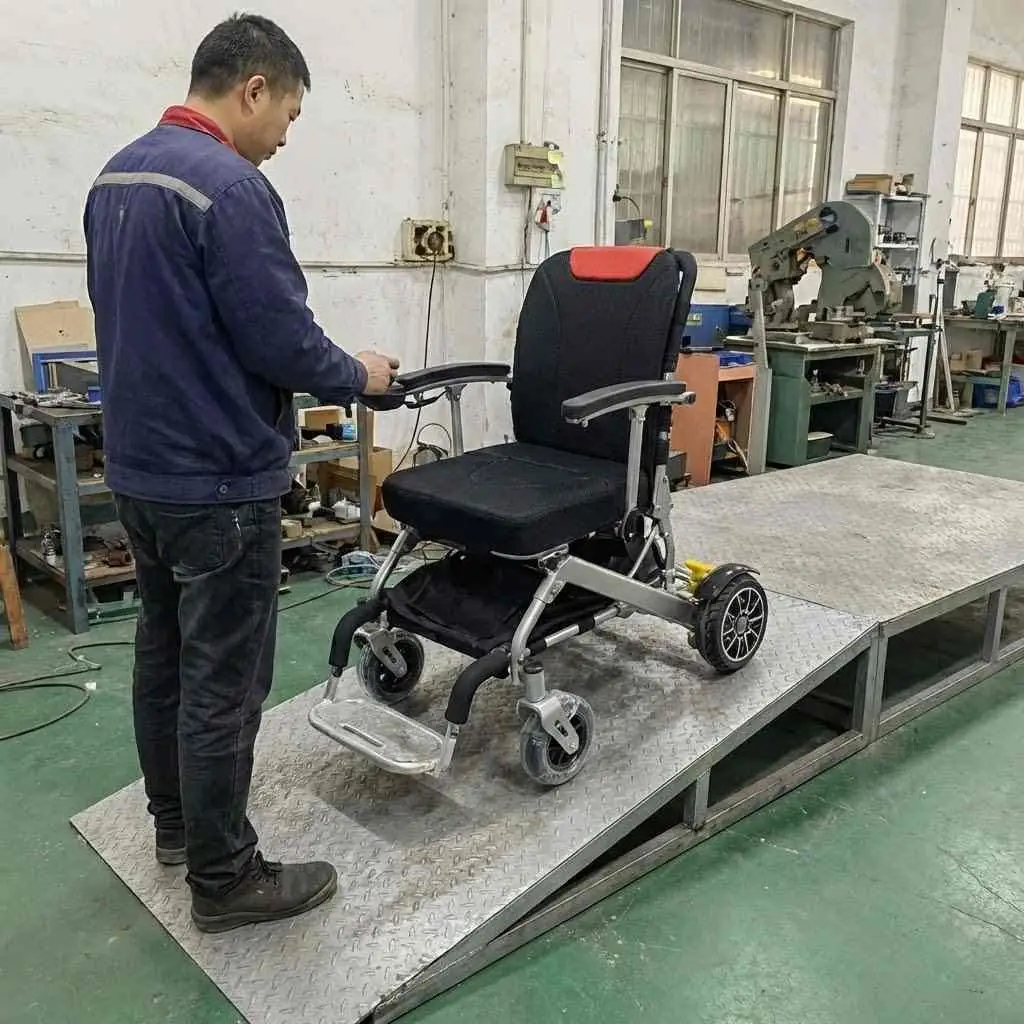
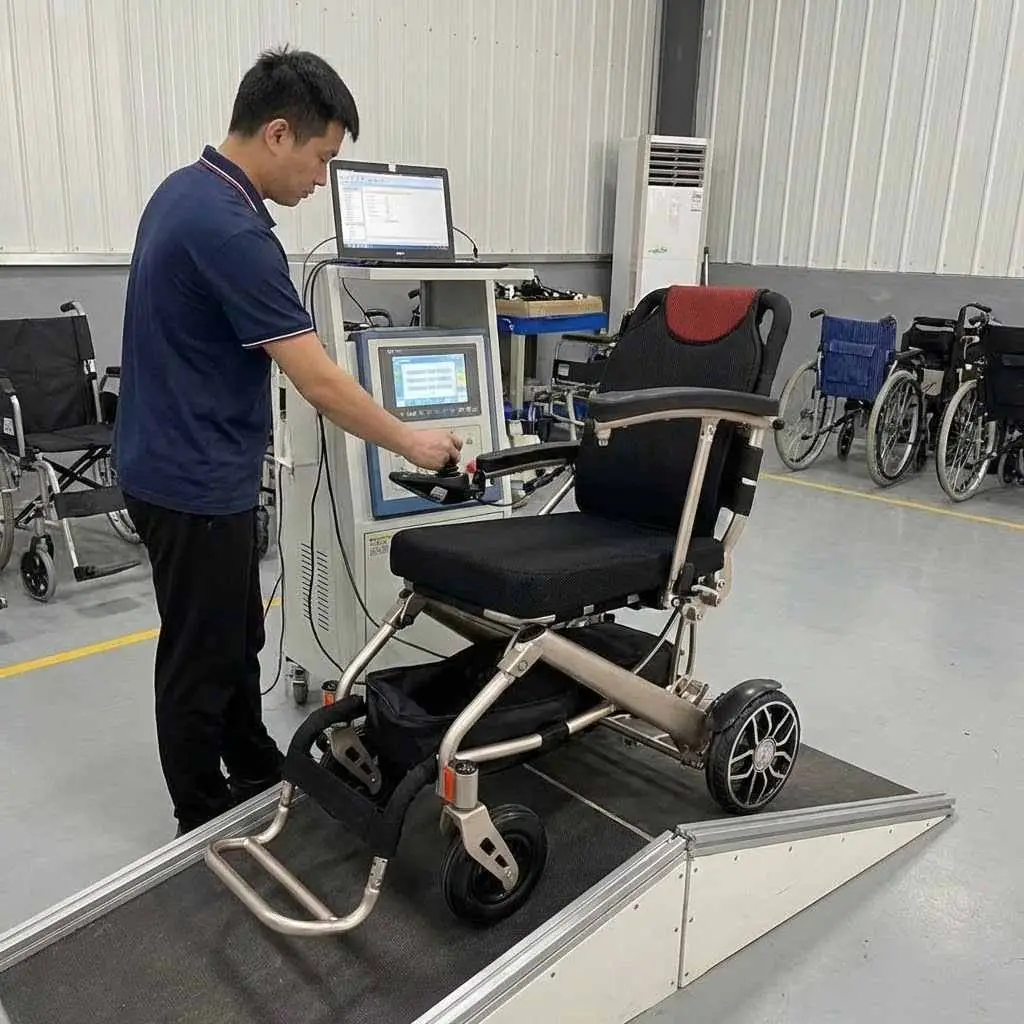
Electric Wheelchair Maintenance Plans for Distributors are not a repair manual. They are a promise you make to your customers before anything goes wrong: this is what we will check, how often we will check it, who will do the work, and what we will write down. A good plan turns after-sales service from urgent phone calls into a routine your team can run and your customers can understand. If you sell electric wheelchairs in volume, the plan is part of the product, and buyers notice whether you have one.
Most distributors already do some maintenance: a check before delivery, a call when a battery seems weak, a part swapped when it fails. The problem is not effort. The problem is that none of it is written down as a plan, so the same chair can get a different level of care depending on who answers the phone. Designing a maintenance plan means deciding the coverage, the timing, the people, and the records in advance, and then telling your customers about it in plain words. The World Health Organization notes that provision of appropriate wheelchairs improves mobility and reduces secondary complications — a reminder that the service around the chair matters as much as the chair itself: WHO assistive technology fact sheet.
What Should an Electric Wheelchair Maintenance Plan Cover?
A maintenance plan should cover the whole chair, not just the parts that fail most often: the battery and charger, the motor and drive wheels, the controller and joystick, the frame and folding mechanism, the seat and armrests, the tyres and castors, and the brakes. For each one, write down what “checked” means. A battery check, for example, is not just “look at the battery” — it is a look at the casing and connections, a check that the charger works, and a note of how the chair holds its charge during normal use.
Keep the coverage list short enough to fit on one page. If it runs long, technicians will skip items and customers will stop reading. Group small items together — frame, seat, and armrests under “body and seating” — and give the battery, motor, and controller their own headings, because those decide whether the chair moves.
System
What the plan covers
Why it matters to the customer
Battery and charger
Casing, connections, charger function, charge behaviour in normal use
A chair that will not hold a charge is a chair that cannot be used
Motor and drive wheels
Running sound, smooth movement, wheel fixings
Uneven movement or noise is usually the first sign of wear
Controller and joystick
Response, direction control, cable condition
The customer steers with this every day, so faults show up fast
Frame and folding mechanism
Joints, locks, folding action
A frame fault can take a chair out of service completely
Seat, armrests, and tyres
Cushion condition, armrest fixings, tyre wear, castor movement
Comfort and stability decide whether the chair gets used daily
Key Takeaway: Cover the full chair in plain words, define what each check means, and keep the list short enough that a technician can follow it and a customer can understand it.
How Do You Decide How Often Each Check Happens?
There is no single schedule that fits every distributor, because usage differs. A chair used daily on rough ground wears faster than a chair used indoors a few times a week, and a rental fleet needs more frequent attention than chairs sold to individual users. Treat the intervals in your plan as your own choices, set by how your customers actually use the chairs, and say so. Write the timing in plain words — “at delivery,” “after the first weeks of use,” “at regular intervals through the year” — rather than pretending it came from a factory specification.
Anchor checks to moments that already exist in your business. Delivery is the first check. The first weeks of use are the second, because that is when a new user finds the small problems — a loose armrest, a joystick that feels wrong, a charger question. After that, regular checks through the year keep wear from becoming failure. Note in the plan that chairs in daily or commercial use get checked more often, and say who decides.
Check point
What happens
Who is involved
At delivery
Full inspection before handover, charger and controls demonstrated
Technician and customer together
After the first weeks of use
Follow-up check, small adjustments, user questions answered
Technician, with customer feedback
At regular intervals through the year
Battery, motor, controller, frame, and seating reviewed against the coverage list
Technician, scheduled in advance
When the customer reports a problem
Fault noted, chair assessed, repair route decided
Customer reports, technician assesses
Before warranty terms change
Review of what is covered and what the customer should expect next
Distributor and customer
Your plan should also say what happens when a check finds something wrong: minor issues are dealt with on the spot, worn parts are replaced from stock, and a fault in the motor or controller goes down the repair route — the chair is recorded, the customer is told what happens next, and the repair is handled through your warranty process. A maintenance plan describes what you check and when; it does not teach anyone how to fix a specific fault, so for warranty repairs your plan should point to our guide on how distributors handle electric wheelchair warranty repairs rather than repeat it.
Key Takeaway: Set intervals around your customers’ real use and the moments that already exist in your business — delivery, early use, and the year — write them as your plan’s choices, and decide in advance what a failed check leads to.
Who Does the Work in Your Maintenance Plan?
A plan fails when everyone assumes someone else will do the work. Name the roles, even if your team is small and one person covers more than one: someone schedules the checks, someone carries them out, someone orders and holds the parts, and someone talks to the customer. What matters is that each check has a named owner.
Think about skills honestly. A delivery check can be done by a trained member of your sales or delivery team, while a full review of the battery, motor, and controller needs a technician who knows the product. If you do not have that person in house, say so and name the partner who does it. Your after-sales service network provides the people; the plan describes the work. And if you are building the space where the work happens, our electric wheelchair service workshop setup guide covers that separately.
Key Takeaway: Name an owner for every part of the plan — scheduling, checking, parts, and customer contact — and name your outside help where your own team does not cover a task.
What Records Should You Keep for Every Chair?
A maintenance plan without records is a habit, not a system. Keep one record per chair, simple enough that a technician will actually fill it in: model and serial number, delivery date, each check date, what was checked, what was found, what was done, and who did it. Anything longer will be left blank.
Records protect both sides. For your customer, the record is proof that the chair was looked after. For you, it is the history that makes the next check faster and the next warranty conversation shorter: you can see what was already checked, what was already replaced, and whether the same problem keeps coming back. Keep the records in one place — a simple spreadsheet, your order system, or a service book per chair — and treat a check as incomplete until the record is written.
Record field
What to write
Why you need it later
Model and serial number
The chair’s identity
Links every check to the right chair
Delivery date
When the customer received it
Anchors warranty and check timing
Check date and technician
When and by whom
Shows the plan was followed
What was checked
The coverage items reviewed
Proves nothing was skipped
What was found and done
Faults, adjustments, parts used
Makes the next check faster
Customer notes
What the user reported
Catches problems the technician cannot see
Key Takeaway: One simple record per chair — identity, dates, what was checked, what was found, what was done, and who did it — is what turns routine checks into a system you can prove.
How Do Maintenance Plans Connect to Warranty Terms?
Your maintenance plan and your warranty terms should agree, because your customer will read them together. The warranty sets out what the factory covers and for how long; the maintenance plan sets out how you look after the chair during that time. On ZVCARE chairs, the warranty terms are frame 36 months, motor 12 months, controller 12 months, and battery 6 months for lead-acid or 12 months for lithium. Your plan should reflect those terms in plain language, including what changes for the customer when a term ends.
The most useful thing a plan can do here is prevent a surprise. Tell the customer at delivery which parts are covered and for how long, and tell them again when a term is about to end, so the end of a warranty term is a conversation, not a dispute. When a fault appears, the claims route is separate from the plan: our guide to the electric wheelchair warranty claims process explains how a claim moves from report to decision, and your records give the claim its evidence.
Key Takeaway: Make the plan and the warranty terms say the same thing, warn the customer before a term ends, and let your records support any claim that follows.
How Do You Keep Spare Parts Ready for Planned Service?
A maintenance plan is only as good as the parts behind it. If a check finds a worn tyre and the replacement is weeks away, the plan has failed at the last step. Name the small list of parts you always keep on hand for planned service — the items your checks most often need, such as tyres, castors, armrest pads, chargers, and common fixings — and keep that list tied to your records: the parts you actually use, not the parts you imagine you might use.
Stocking for planned service is different from stocking for emergencies: you know the checks are coming and roughly what they find, so you can order ahead. Review your stock each time you review the plan, and adjust the list from what your records tell you. Our electric wheelchair spare parts stocking guide covers stocking in detail; use it alongside this plan so the parts shelf and the check schedule match. Every chair leaves the factory after 100% visual inspection, so a fault found at delivery is rare — but the delivery check still belongs in the plan, because catching the rare fault early is exactly what it is for.
Key Takeaway: Keep a short, record-based list of parts for planned service, review it with the plan, and order ahead.
How Should You Present the Plan to Your Customers?
A plan your customers never see earns you nothing. Present it at delivery, in one page, in the customer’s language, with no jargon: what is covered, how often checks happen, who does them, what the customer should do if something feels wrong, and how to reach you. Give the customer a copy and keep one yourself, and both copies should match the record you keep for the chair.
How you present the plan also sets expectations. Do not promise what you cannot control: never promise a repair time you cannot guarantee, and never describe a check as a guarantee that nothing will fail. A check is a look at the chair’s condition on that day, and your plan should say so honestly. Customers trust a plain promise kept more than a grand promise broken — and a buyer choosing between two suppliers will remember the one who explained, before the sale, exactly how the chairs would be looked after.
Key Takeaway: Give the customer a one-page, jargon-free copy of the plan at delivery, promise only what you can control, and let the plan itself be part of why buyers choose you.
How Do You Review and Improve the Plan Over Time?
A maintenance plan is a living document, not a form you write once. Review it at least once a year, and sooner if something changes: a new model joins your range, your records show the same fault repeating, or your customers keep asking the same question. Read your records, ask your technicians what the checks actually find, ask your customers whether the timing works, and change the plan to match what you learned.
Small changes are the normal result of a review: a check moved earlier for chairs in daily use, a part added to your stock list, a sentence rewritten because customers keep misunderstanding it. What you should not do is quietly stop following the plan. If a check no longer makes sense, remove it openly and tell your customers. A plan that changes with evidence is a sign of a serious distributor; a plan that is ignored is worse than no plan, because it promises care that never happens.
Key Takeaway: Review the plan at least once a year against your records, your technicians’ experience, and your customers’ feedback, and change it openly when the evidence says so.
Conclusion
An electric wheelchair maintenance plan is a short document with a large effect. It says what you check, how often you check it, who does the work, what you write down, and how you tell your customers. Build it from your own records and your customers’ real use, keep it to one page for the customer and one record per chair for your team, and review it every year. The distributors who do this well do not have fewer problems — they have fewer surprises, and their customers know it.
If you are building or refreshing your after-sales service, start with the chairs themselves. ZVCARE supplies electric wheelchairs with 1 pc MOQ, 7-day lead time after payment, and spare parts available for the models you stock. Our chairs run on a 24V system, every unit passes 100% visual inspection before shipment, and we work with 50+ global partners. Talk to us about the models that fit your market, and build your maintenance plan on chairs you can support with confidence.
FAQ
What should a maintenance plan cover?
A maintenance plan should cover the whole chair: battery and charger, motor and drive wheels, controller and joystick, frame and folding mechanism, seat and armrests, tyres and castors, and brakes. For each system, define what “checked” means, and keep the coverage list short enough to fit on one page.
How often should an electric wheelchair be checked?
How often depends on how the chair is used, so set the intervals as your own plan choices. Anchor checks to delivery, the first weeks of use, and regular intervals through the year, and check chairs in daily use more often.
Who should carry out maintenance checks?
Name an owner for every part of the plan: scheduling, carrying out checks, holding parts, and talking to the customer. Delivery checks can be done by a trained member of your team, while full reviews of the battery, motor, and controller need a technician who knows the product.
What records should a distributor keep for each wheelchair?
Keep one record per chair with the model and serial number, delivery date, each check date, what was checked, what was found, what was done, who did it, and any notes from the customer. Keep the records in one place and treat a check as incomplete until the record is written.
How does a maintenance plan relate to the warranty?
The warranty sets out what is covered and for how long, while the maintenance plan sets out how you look after the chair during that time. The two should agree, and you should tell the customer before a warranty term ends so the change is a conversation rather than a surprise.
Founded in 2015, ZVCARE is an ISO 13485:2016 certified electric wheelchair manufacturer in China, providing OEM & ODM solutions for global distributors and medical stores.